THE END

OF THE COMUNIST

ERA NATIONAL

MUSEUM

EXPLORE HISTORY

Step into the final chapter of a defining era and discover the stories, struggles, and transformations that shaped a nation’s path to freedom.
EVENTS

Step into the final chapter of a defining era and discover the stories, struggles, and transformations that shaped a nation’s path to freedom.
VISITING

Step into the final chapter of a defining era and discover the stories, struggles, and transformations that shaped a nation’s path to freedom.
Where the Past Meets

THE PRESENT

01

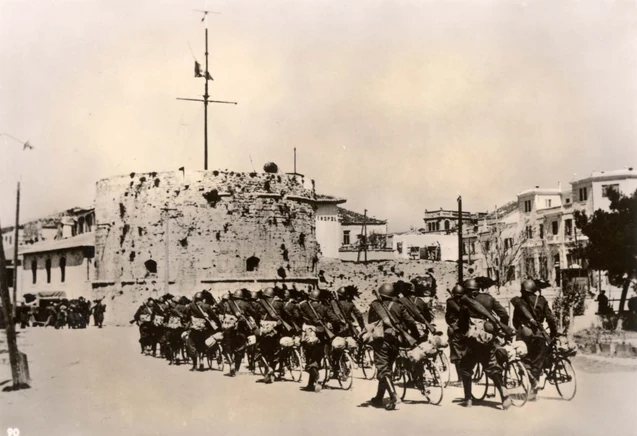
Italian Occupation of Albania (1939)


On April 7, 1939, Fascist Italy under Benito Mussolini
invaded Albania, marking the beginning of a period
of foreign occupation. The invasion aimed to expand
Italian influence in the Balkans and brought significant
political, social, and economic changes to the country.
Despite resistance, Albania remained under Italian
control until 1943.

02

The Bread Crisis of the 1980

The Bread Crisis of the 1980s was one of the most visible signs of Albania’s economic difficulties during the final decade of the communist regime. Shortages of basic food products, including bread, became increasingly common as agricultural production stagnated and the centrally planned economy struggled to meet the population’s needs. Long queues, rationing, and supply disruptions highlighted the growing challenges faced by the country during this period.

WALLS OF ISOLATION

Witnesses of a Dark Era

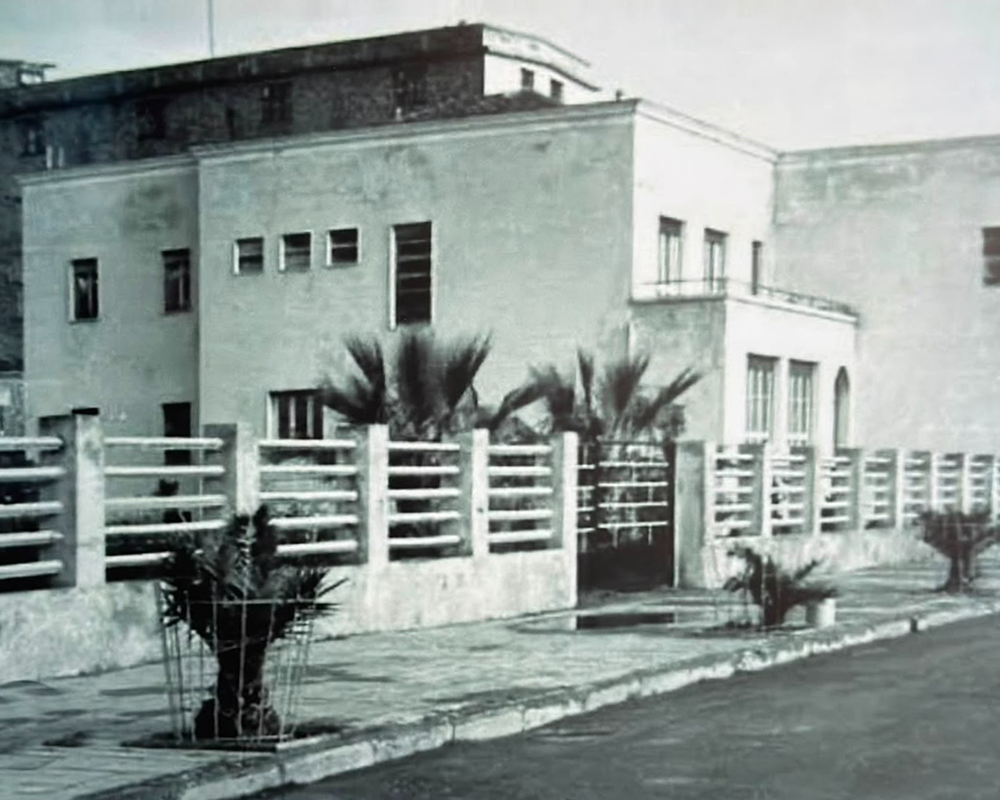
 Behind these walls, thousands lived under
constant surveillance and harsh conditions.
They stand today as a reminder of a difficult chapter in history and theenduring strength of those who endured it.

Post-War Trials


Following World War II, special courts were
established to judge those accused of
collaboration and political opposition,
shaping the country’s future for decades
to come.

The Albanian Exodus of 1991

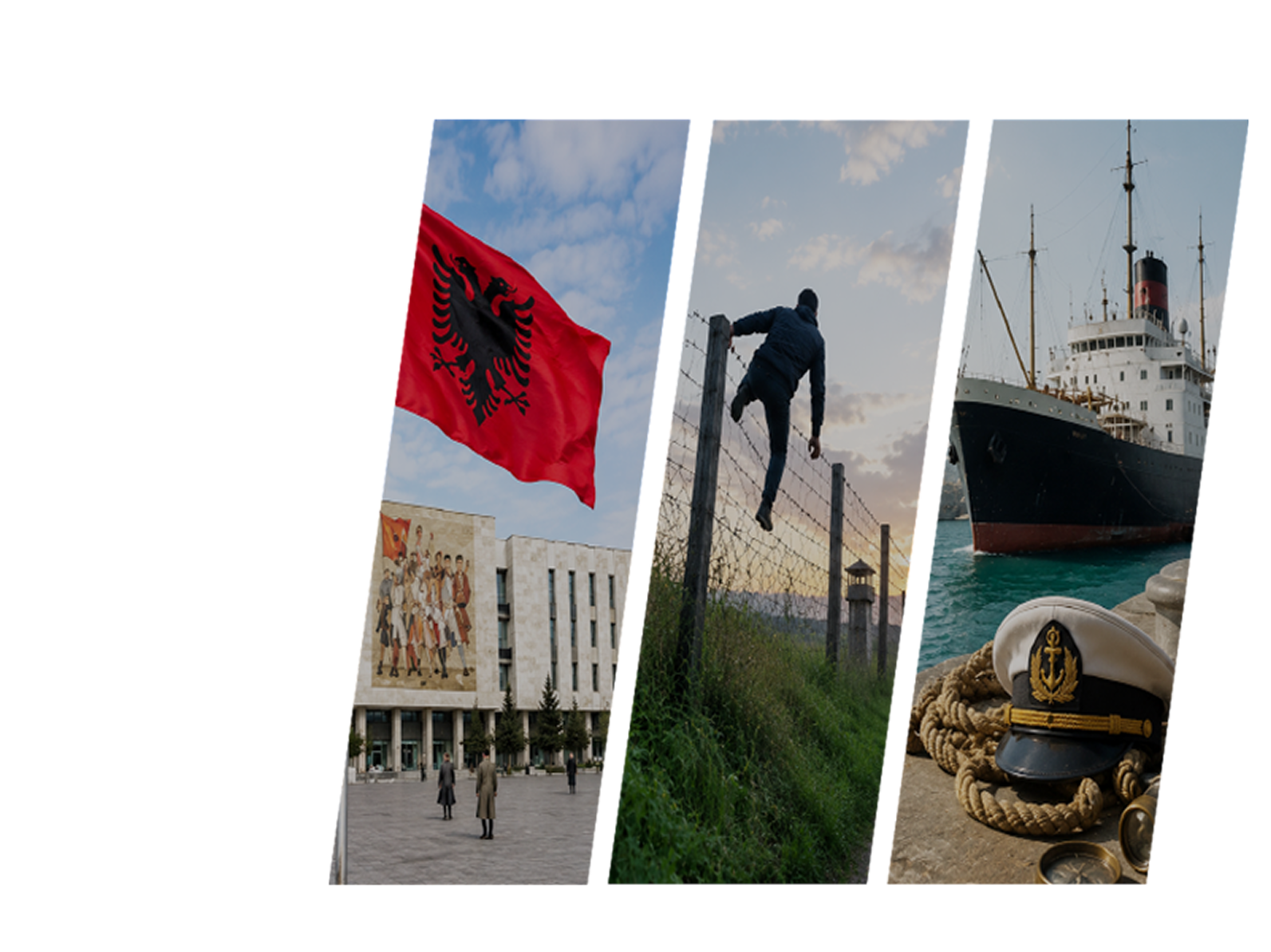
The main wave of the mass departure of Albanians by sea took place in March and August 1991. This exodus marked both the collapse of the communist regime and the deep economic despair experienced by the population. Driven by hopes for a better future, thousands of citizens boarded commercial and military vessels from the ports of Durrës, Vlorë, and Shëngjin, crossing the Adriatic Sea toward Italy. The event remains one of the most significant symbols of Albania’s transition from communism to democracy.